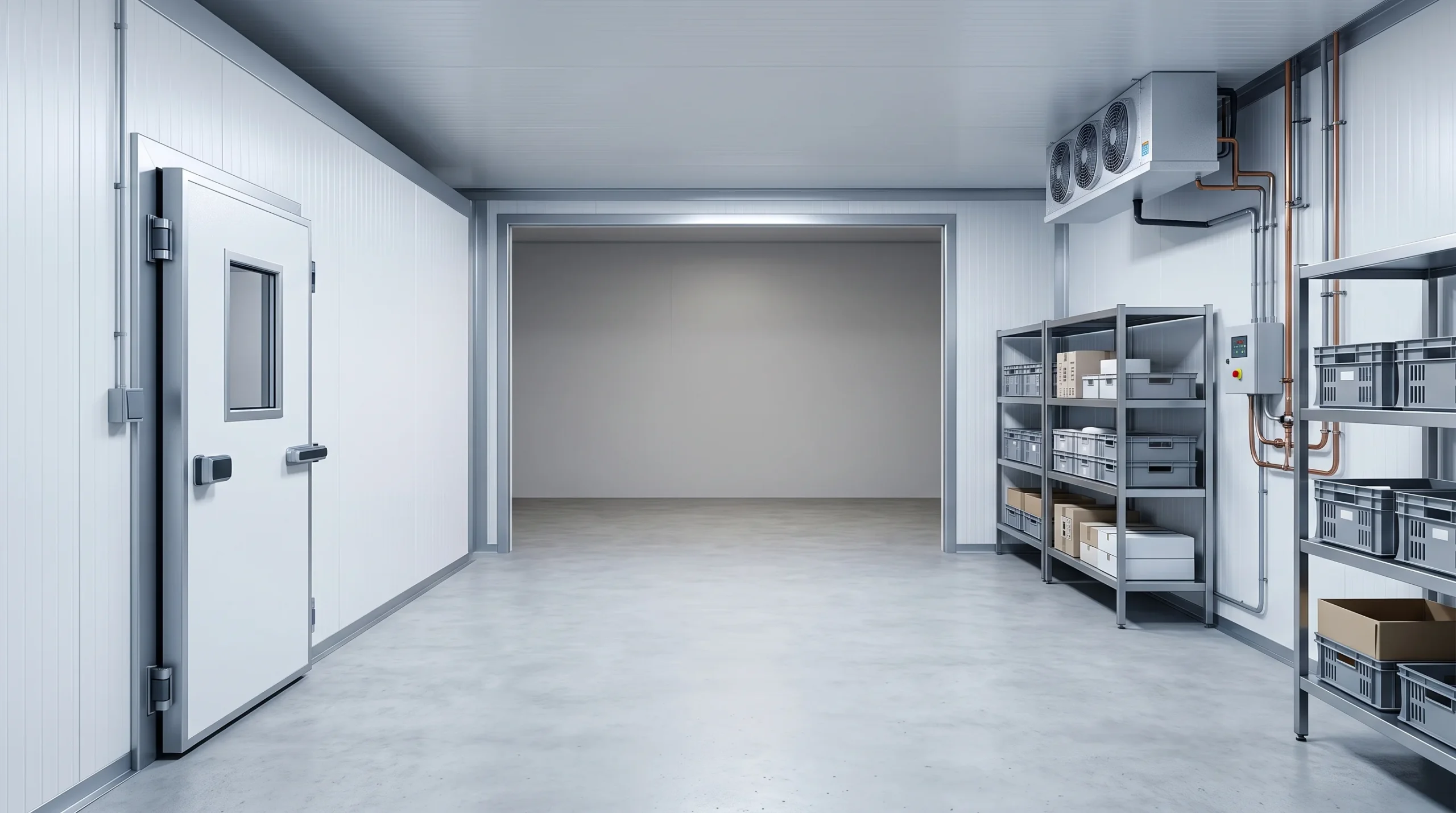
Choosing a cold room isn’t a decision you want to get wrong. Unlike most equipment purchases, a cold room becomes part of your daily operation the moment it’s installed — every delivery, every prep shift, every stock check runs through it. Get the specification right and it quietly does its job for years. Get it wrong, and you’re left working around a space that never quite fits how your business actually operates.
The right cold room depends on far more than just square footage. It comes down to what you’re storing, how often you need to access it, how your premises are laid out, and how your business runs day to day. Below is a practical guide to the factors worth thinking through before committing to a design.
Start With What You’re Storing
The products going into your cold room determine almost everything else about its specification. Fresh produce, dairy and prepared food need chilled storage within a specific temperature range, while frozen goods call for a different structure altogether — thicker insulation, a different door specification, and a refrigeration system built to hold much lower temperatures. Many businesses need both, in which case it’s worth thinking about chilled storage and Freezer Room Design as two separate decisions rather than one compromise solution.
Think About Available Space
Available space is usually the first practical constraint, particularly for businesses working within older or irregularly shaped commercial premises. A well-designed cold room makes efficient use of whatever footprint you have, without sacrificing the storage capacity you actually need. This is why a cold room built for a compact kitchen looks very different to one built for a distribution warehouse, even if the underlying products are similar.
Consider How Often You’ll Access It
Access frequency shapes door placement and configuration more than most businesses expect at the planning stage. A cold room used dozens of times a day by kitchen staff needs a different door arrangement to one accessed occasionally for stock replenishment. Airflow matters here too — poor air circulation can lead to inconsistent temperatures in different parts of the same room, even when the refrigeration system itself is working correctly.
Factor In Insulation and Energy Use
Insulation quality directly affects how hard your refrigeration system has to work to maintain a stable internal temperature. Poor insulation means the compressor runs more often than it should, leading to unnecessary wear and higher running costs over time. It’s a detail that’s easy to overlook but has a lasting impact on both reliability and running costs.
Match the Room to Your Type of Business
Different businesses have genuinely different requirements. Restaurants and cafés typically need cold storage that supports fast, frequent access alongside temperature stability for fresh ingredients. Hotels often need larger capacity to manage stock across multiple kitchens and service areas. Catering businesses, wholesalers and food distributors tend to need larger-scale storage designed around bulk handling, with layouts that make loading and unloading straightforward. There’s no single “right” cold room — only the right one for how your business operates.
Get the Refrigeration Requirements Calculated Properly
Refrigeration capacity should be calculated against your room’s size, insulation, expected door-opening frequency and the specific products being stored — not estimated. This is one of the areas where professional input makes the biggest difference, since an undersized system will struggle to maintain temperature, while an oversized one wastes energy unnecessarily.
Plan Installation Around Your Premises
Once you’ve settled on a design, installation needs to work around the realities of your building — floor levelness, clearance for equipment, and how the finished room fits within your existing layout. This is particularly relevant for businesses in older commercial buildings that weren’t originally built with food storage in mind, where installation often has to work around existing constraints rather than a blank canvas.
The Bottom Line
Choosing a cold room comes down to understanding your products, your space and your daily operation, then working with a design that reflects all three. It’s rarely a decision worth rushing, and it’s rarely one-size-fits-all.
If you’d like help working through these considerations for your own premises, our guide to Cold Room Design London covers the design and installation process in more detail, or get in touch directly to discuss your requirements.