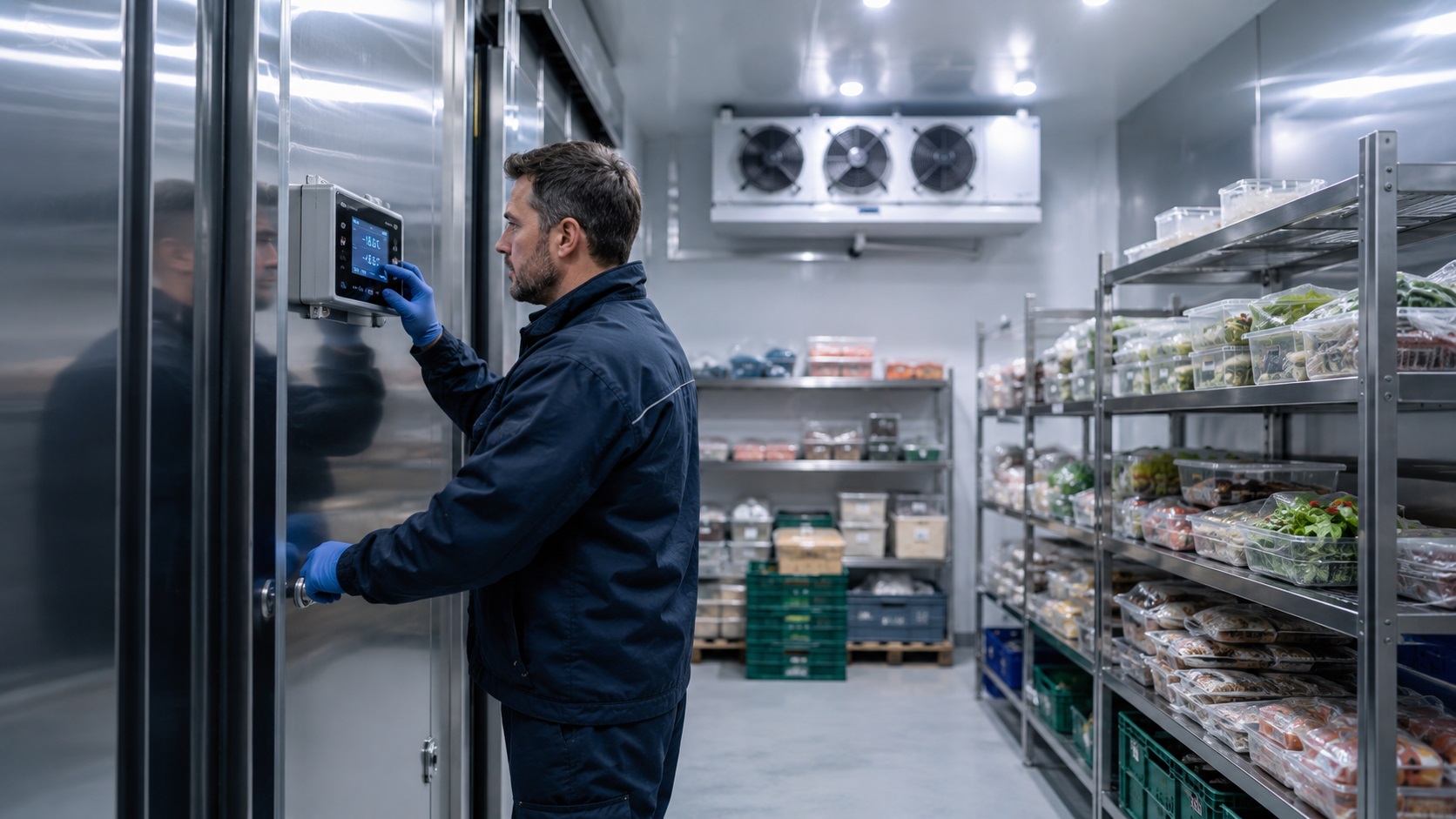
10 Signs Your Cold Storage Needs Immediate Repair
Cold storage systems are the backbone of many businesses across London and the UK. Restaurants, supermarkets, food manufacturers, pharmaceutical companies, florists, and catering businesses all depend on reliable refrigeration to protect valuable inventory and maintain regulatory compliance.
Unfortunately, cold storage equipment does not always fail without warning. In many cases, businesses experience subtle signs that indicate a developing problem long before a complete breakdown occurs.
Recognising these warning signs early can help prevent product losses, expensive emergency callouts, and operational disruptions.
In this guide, we explore ten clear signs that your cold storage facility requires immediate professional attention and explain why delaying repairs can be a costly mistake.
Why Early Repairs Matter
When refrigeration equipment begins to fail, many businesses continue operating until the issue becomes impossible to ignore.
This approach often leads to:
- Increased energy bills
- Product spoilage
- Business interruptions
- Health and safety concerns
- Expensive emergency repairs
- Reduced equipment lifespan
Investing in professional cold storage repair and maintenance at the first sign of trouble can save significant time and money in the long run.
1. Temperature Fluctuations Inside the Cold Room
One of the most obvious signs of a developing refrigeration problem is inconsistent temperature control.
Cold storage systems are designed to maintain stable temperatures around the clock. If temperatures begin rising and falling unexpectedly, the refrigeration system may be struggling to perform efficiently.
Possible causes include:
- Faulty thermostats
- Refrigerant leaks
- Sensor failures
- Compressor issues
- Blocked airflow
Even small temperature fluctuations can affect food quality and pharmaceutical products.
If staff regularly notice temperature variations, immediate inspection is recommended.
2. Rising Energy Bills Without Explanation
Commercial refrigeration systems consume a significant amount of electricity, but sudden increases in energy costs should never be ignored.
A struggling refrigeration system often works harder to maintain temperatures.
Common reasons include:
- Dirty condenser coils
- Refrigerant loss
- Worn compressors
- Damaged insulation
- Faulty fan motors
Many businesses only discover serious faults after reviewing several months of unusually high utility bills.
Routine maintenance helps identify efficiency issues before they become expensive.
3. Excessive Ice Build-Up
A small amount of frost may be normal in some applications, but excessive ice accumulation is a major warning sign.
Ice formation can occur due to:
- Faulty door seals
- Defrost system failures
- High humidity levels
- Refrigeration control problems
Excessive ice reduces efficiency and places additional strain on refrigeration equipment.
Ignoring the issue can eventually lead to complete system failure.
4. Unusual Noises Coming From Equipment
Cold storage systems naturally produce some operational noise.
However, new or unusual sounds should always be investigated.
Warning sounds may include:
- Grinding
- Rattling
- Buzzing
- Clicking
- Screeching
These noises often indicate mechanical wear or component failure.
Early diagnosis can prevent minor issues from becoming major repairs.
5. Water Leaks Around the Cold Room
Water accumulation inside or outside a cold room should never be dismissed.
Possible causes include:
- Blocked drainage systems
- Frozen evaporator coils
- Condensation problems
- Damaged pipework
Water leaks create slip hazards and may damage surrounding structures.
More importantly, they often signal underlying refrigeration problems that require professional attention.
6. Products Are Spoiling Faster Than Expected
Many businesses first become aware of refrigeration problems when products begin deteriorating sooner than normal.
Common warning signs include:
- Reduced shelf life
- Product discolouration
- Texture changes
- Unexpected wastage
Even if temperature displays appear normal, hidden refrigeration issues may be affecting product quality.
Professional testing can identify performance problems that standard monitoring systems may not detect.
7. The Compressor Runs Continuously
The compressor is the heart of any refrigeration system.
While compressors frequently cycle on and off throughout the day, continuous operation may indicate a problem.
Possible causes include:
- Refrigerant leaks
- Dirty coils
- Faulty controls
- Poor insulation
- System overload
Continuous operation increases energy consumption and accelerates equipment wear.
Ignoring compressor issues often leads to expensive replacement costs.
8. Door Seals Are Damaged or Worn
Door seals play a crucial role in maintaining temperature stability.
Over time, seals can become:
- Cracked
- Loose
- Brittle
- Damaged
When seals fail, warm air enters the cold room while chilled air escapes.
This forces refrigeration equipment to work harder and increases operating costs.
Regular inspections can identify seal damage before efficiency declines significantly.
9. Strong Odours Inside the Facility
Unexpected smells within a cold room often indicate developing issues.
Possible causes include:
- Poor airflow
- Moisture accumulation
- Mould growth
- Temperature inconsistencies
Persistent odours should never be ignored, particularly in food storage environments.
Professional assessment can identify the root cause and prevent further contamination risks.
10. Frequent System Breakdowns
If refrigeration equipment requires repeated repairs, the problem may extend beyond individual components.
Recurring faults often indicate:
- Ageing equipment
- Poor maintenance history
- System design issues
- Electrical faults
Businesses experiencing repeated disruptions should seek a comprehensive evaluation from refrigeration specialists.
In some cases, targeted upgrades may provide a more cost-effective solution than repeated repairs.
Common Causes of Cold Storage Failure
Understanding the most common causes of refrigeration breakdowns can help businesses reduce risk.
Lack of Preventive Maintenance
Many failures occur simply because equipment is not serviced regularly.
Preventive maintenance programmes identify issues before they escalate.
Refrigerant Leaks
Low refrigerant levels reduce cooling performance and increase compressor strain.
Electrical Problems
Faulty wiring, damaged controls, and failing components can affect overall system reliability.
Poor Airflow
Blocked evaporators, dirty coils, and damaged fans all impact cooling efficiency.
Ageing Equipment
Even well-maintained refrigeration systems eventually reach the end of their service life.
The Cost of Delaying Repairs
Businesses sometimes postpone repairs to avoid immediate expenses.
Unfortunately, this decision often creates larger financial problems later.
Potential consequences include:
Product Losses
Spoiled inventory can cost thousands of pounds.
Emergency Callout Charges
Emergency repairs are typically more expensive than planned maintenance.
Increased Energy Consumption
Faulty equipment often consumes significantly more electricity.
Business Disruption
Unexpected downtime can damage customer relationships and reduce revenue.
Regulatory Concerns
Food and pharmaceutical businesses must maintain strict temperature controls.
Compliance failures can result in penalties and reputational damage.
How Preventive Maintenance Reduces Risk
The most effective way to avoid major refrigeration failures is through regular servicing.
Professional maintenance programmes typically include:
- Temperature verification
- Refrigerant checks
- Electrical inspections
- Coil cleaning
- Fan testing
- Drainage inspections
- Door seal assessment
Businesses with larger facilities may also benefit from dedicated freezer room repair and maintenance support to ensure optimal performance throughout their refrigeration infrastructure.
When to Call a Refrigeration Specialist
If any of the warning signs discussed above are present, professional assistance should be arranged immediately.
Qualified engineers can:
- Diagnose underlying faults
- Restore system efficiency
- Prevent further damage
- Improve reliability
- Extend equipment lifespan
Facilities operating multiple refrigeration zones may also benefit from specialist cold room design and installation services when upgrades or expansions are required.
Businesses storing frozen goods should ensure their systems receive expert support through professional freezer room design installation and repair services when necessary.
Where premises include offices, kitchens, or customer-facing environments, integrated air conditioning service solutions can further improve operational efficiency.
Final Thoughts
Cold storage systems rarely fail without warning. Temperature fluctuations, unusual noises, excessive ice build-up, rising energy costs, and recurring breakdowns are all indicators that professional attention may be required.
Recognising these issues early allows businesses to take corrective action before serious problems develop.
By investing in proactive maintenance and timely repairs, businesses can protect valuable inventory, reduce operating costs, and maintain reliable refrigeration performance throughout the year.
If your cold storage facility is showing any of these warning signs, arranging a professional inspection today could prevent a costly breakdown tomorrow.
Frequently Asked Questions
How often should a cold storage system be serviced?
Most commercial refrigeration systems should be professionally serviced at least twice per year.
What is the most common cause of cold storage failure?
Poor maintenance is one of the leading causes of refrigeration breakdowns.
Can temperature fluctuations damage stored products?
Yes. Even minor fluctuations can affect food quality, pharmaceuticals, and other temperature-sensitive goods.
Is ice build-up always a problem?
Small amounts of frost may be normal, but excessive ice usually indicates a fault requiring investigation.
When should I call a refrigeration engineer?
Any unexplained temperature changes, unusual noises, leaks, or recurring faults should be inspected as soon as possible.