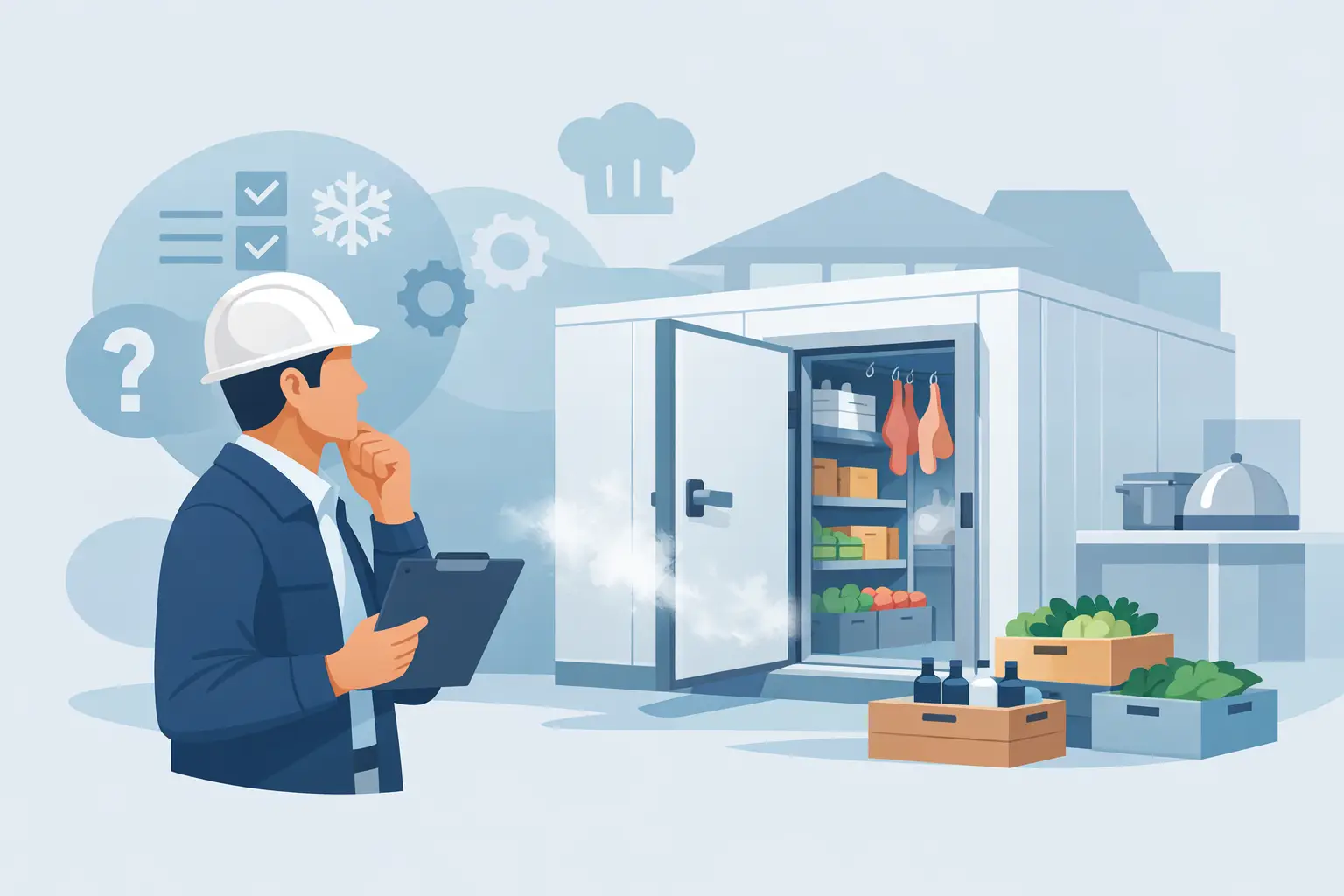
Friday lunch service is not the moment to find out your chilled storage is too small, running warm, or awkwardly laid out for the way your kitchen actually works. A cold room for restaurants has to do more than hold stock at temperature. It has to support prep, protect margins, reduce waste and keep service moving when the kitchen is under pressure.
That is why restaurant cold room decisions need to be practical from the start. Size matters, but so do door positions, shelving layout, refrigeration load, access for deliveries and how often staff are going in and out. A system that looks right on paper can still create daily problems if it is not designed around the operation.
What a cold room for restaurants needs to get right
In a restaurant, refrigerated storage is not a background utility. It is part of the workflow. Meat, dairy, produce, sauces and prepared ingredients all have different handling patterns, and the cold room has to support them without causing bottlenecks.
The first point is temperature stability. Frequent door openings are normal in a busy kitchen, but they should not send the room struggling to recover. If the system is undersized, poorly insulated or incorrectly configured, you can end up with uneven temperatures, stressed equipment and food safety concerns.
The second point is usable space. Many businesses focus on floor area alone, then realise too late that shelving, air circulation gaps and safe access reduce actual storage capacity. A well-designed cold room is not simply a bigger fridge. It uses the available footprint properly while leaving room for staff to move, rotate stock and clean the space.
Then there is reliability. Restaurants work to tight windows. If chilled storage goes down overnight or during prep, the cost is not limited to the repair bill. You may lose stock, delay service and put bookings at risk. That is why installation quality and ongoing maintenance matter just as much as the original specification.
Sizing the room properly
A cold room that is too small becomes a constant operational nuisance. Staff overfill shelves, airflow gets blocked and stock rotation suffers. A cold room that is too large can be wasteful if the refrigeration system is not matched to the real load.
The right size depends on more than current stock levels. You need to look at delivery frequency, menu range, seasonal peaks and whether the kitchen does a high volume of prep in advance. A site serving breakfast through to dinner has different storage behaviour from a venue focused on evening covers and limited fresh prep.
Growth also matters. If the business plans to expand catering, add delivery service or increase covers, that should be built into the thinking early. Retrofitting a room that is already undersized often costs more and causes more disruption than getting the specification right in the first place.
Layout often matters more than owners expect
A restaurant can lose time every day because the cold room is awkward to use. That cost rarely shows up on an invoice, but it affects labour, stock handling and kitchen rhythm.
Door placement is one example. If the entrance opens into a congested corridor or forces staff to carry stock around other equipment, it creates friction at busy times. Shelf design is another. Deep shelving may increase nominal capacity but make rotation harder and increase the chance of forgotten stock sitting at the back.
Good layout planning looks at how the kitchen receives, stores and uses ingredients. Raw and ready-to-eat items may need clear separation. Frequently used products should be easiest to reach. The room also needs enough clearance for air to circulate properly around stored goods, otherwise the cold room works harder while cooling less evenly.
Refrigeration performance and energy use
Restaurants are rightly concerned about running costs, but cutting corners on refrigeration plant usually becomes expensive later. An inefficient or badly matched system can drive up energy bills, increase wear on components and shorten equipment life.
This is where proper load calculation matters. Heat enters the room through doors, walls, incoming stock and human traffic. In a commercial kitchen, all of that can be significant. If the condensing unit and evaporator are not selected for the real operating conditions, the room may struggle in summer or during busy periods.
Energy efficiency is not only about the machinery itself. Panel insulation, door quality, seals, lighting and controls all contribute. Strip curtains or fast-closing doors may be worthwhile in high-traffic areas. In some cases, simple operational changes make a noticeable difference to performance and energy use.
The trade-off is straightforward. A lower upfront price can be attractive, but if the room costs more to run and needs more callouts, the saving does not last long.
Installation quality is not a detail
Even the best equipment can underperform if the installation is poor. Misaligned panels, inadequate sealing, weak drainage planning or incorrect commissioning can lead to recurring faults that are difficult to pin down later.
Restaurants also have site constraints that need handling carefully. Access may be tight, service yards limited and kitchen downtime costly. In older buildings, uneven floors or awkward service routes can affect the build. This is where practical engineering experience matters. The design needs to reflect the site as it is, not as someone wishes it to be.
A proper installation should also consider future servicing. If key components are difficult to access, routine maintenance becomes slower and emergency repairs become more disruptive. That is not something most owners think about at quotation stage, but they notice it quickly when a fault happens.
When to retrofit and when to replace
Not every restaurant needs a brand-new cold room. Some existing rooms can be upgraded effectively with new doors, replacement panels, improved controls or a modern refrigeration system. If the shell is sound and the room size still suits the operation, retrofit work can be a sensible route.
That said, there is a point where patching an ageing room stops being good value. Repeated breakdowns, poor temperature recovery, damaged insulation or outdated plant usually signal that replacement deserves serious consideration. The right answer depends on age, condition, energy performance and how disruptive ongoing repairs have become.
A clear site assessment usually saves time here. It is better to make the decision from evidence rather than keep spending on short-term fixes because replacing the room feels like a bigger step.
Maintenance is part of the investment
A cold room for restaurants should never be treated as fit-and-forget equipment. In a busy trading environment, wear builds up quickly. Door seals perish, drains block, condensers collect dirt and small faults become bigger ones if left alone.
Planned maintenance reduces the chances of out-of-hours failures and helps keep the room operating efficiently. It also gives you a better chance of spotting issues before they put stock at risk. For restaurant operators, that matters because downtime is rarely convenient and often expensive.
Emergency response still matters, of course. Even well-maintained systems can fail. But there is a clear difference between dealing with the occasional unexpected fault and constantly reacting to avoidable problems. Businesses that depend on chilled storage usually benefit from having one engineering partner who can install, service and troubleshoot the same system over time.
Common mistakes restaurants make
The most common mistake is buying on footprint and price alone. A cold room may physically fit the available area and still be wrong for the way the kitchen works. Another is underestimating traffic levels. If a room is accessed constantly during prep and service, that should shape the refrigeration design.
Some operators also assume domestic-style thinking applies to commercial refrigeration. It does not. Restaurants need durability, predictable recovery, hygienic finishes and support when something goes wrong. The final mistake is delaying action when problems start. If staff are reporting warm spots, icing, excess noise or poor door sealing, early inspection is almost always cheaper than waiting for a full failure.
Choosing the right supplier
A restaurant does not just need someone to put panels together and switch the unit on. It needs a supplier who understands how commercial kitchens operate, asks the right questions and can support the room after handover.
That means looking for practical design input, realistic advice on capacity and clear thinking on serviceability. It also means asking what happens after installation. If the system fails, who answers the phone, how quickly can an engineer attend, and can the same provider handle maintenance, repairs and future upgrades?
For many operators, that ongoing support is what turns a cold room from a risk into a dependable part of the business. Companies such as UK Cold Room are built around that full-lifecycle approach because proper refrigeration support does not end on installation day.
The right cold room should make the kitchen calmer, not more complicated. If it fits the space, the workflow and the real trading pattern of the restaurant, it will keep paying back quietly every day you do not have to think about it.