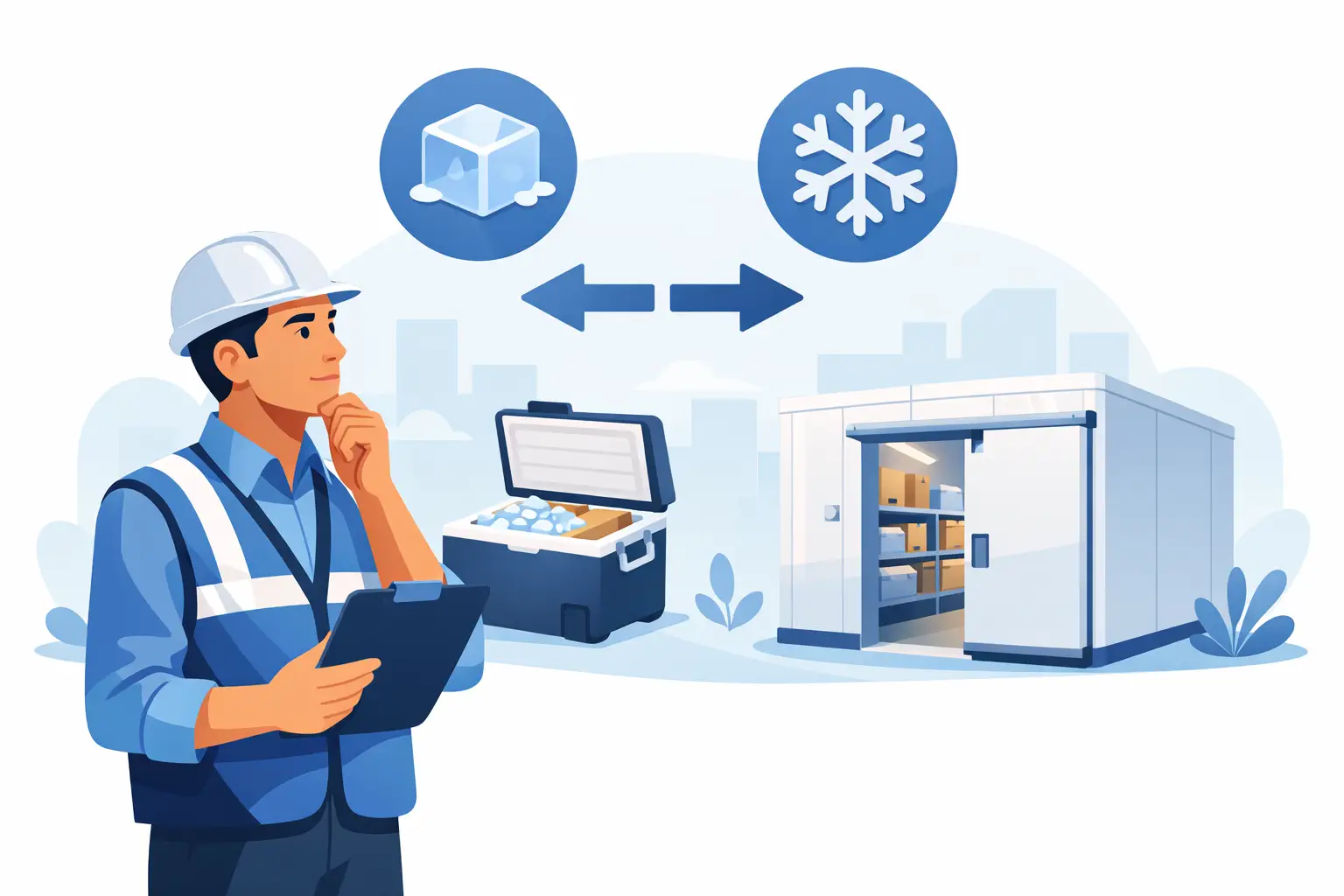
If you are working around stock that spoils, softens, separates or falls out of compliance the moment temperatures drift, choosing cold storage is not a side decision. It affects waste, energy bills, service speed, audits and whether your team can keep trading without disruption. Knowing how to choose cold storage starts with understanding what your operation needs day after day, not just what fits the space on paper.
A restaurant with tight delivery schedules needs something very different from a wholesaler holding pallet loads, and both have different pressures from a pharmacy storing temperature-sensitive products. The right system is the one that matches your stock profile, your working patterns and the consequences of downtime.
How to choose cold storage based on daily use
The first question is not capacity. It is use. What exactly are you storing, at what temperature, and how often will staff be opening the door?
Chilled produce, dairy, prepared foods, frozen goods and pharmaceutical products all place different demands on a cold room or freezer room. Some businesses need a narrow, stable temperature band for compliance. Others need frequent access during busy service, where recovery time after each door opening matters just as much as the target temperature.
This is where many buying decisions go wrong. A room may look adequate on a spec sheet, but if it is undersized, opened constantly or loaded beyond its designed airflow pattern, performance drops quickly. You can end up with warm spots, icing issues, excess compressor strain and higher running costs.
A practical starting point is to look at three things together: the maximum stock you hold, the peak times when doors are opened most often, and how long products stay in storage before moving out. That gives a more realistic picture than square metre measurements alone.
Start with the temperature range you actually need
It sounds obvious, but many businesses ask for a general cold room before defining their true temperature requirement. That detail shapes the whole system, from insulation thickness to refrigeration plant selection.
If you are storing fresh food, your requirement may sit just above freezing. If you are holding frozen stock, the room needs to maintain much lower temperatures and recover faster after access. If your products are sensitive, even small fluctuations may create compliance issues or reduce shelf life.
The closer your temperature requirement is to a critical threshold, the less room there is for compromise. In those cases, controls, monitoring and alarm systems become part of the decision rather than optional extras. They help protect stock and provide evidence if you are audited.
There is also a trade-off to manage. Lower temperatures and tighter tolerances usually mean higher capital and running costs. That does not mean you should accept a weaker system. It means you should be precise about what the room is required to do, so you are not paying for unnecessary specification or, worse, underbuying and facing recurring problems later.
Chilled, frozen or dual-use?
Some operators assume one room can cover everything. Sometimes it can, but often that creates avoidable risk. Mixed storage can complicate loading, stock rotation and temperature consistency. If chilled and frozen products have different handling patterns, separate areas are usually the better long-term option.
Dual-use spaces may appear cheaper at the outset, but they often become operationally awkward. Staff may prop doors open, overfill sections or move products around to make the space work. Those habits usually cost more than a better layout from the start.
Size matters, but usable space matters more
When businesses compare cold storage options, they often focus on overall room dimensions. In practice, usable storage volume is what counts.
Shelving, racking, access width, evaporator position and door swing all affect how much stock you can store safely and reach easily. A room that looks generous can become cramped once racks are installed and staff need room to manoeuvre trolleys or cages.
If stock comes in on pallets, that changes the design again. You need to consider floor strength, clearances, turning space and loading flow. If products are picked by hand, then shelf access and visibility may matter more than maximum cubic capacity.
It is also worth planning for growth. If your operation is already close to capacity during busy periods, buying to today’s minimum can be a false economy. On the other hand, oversizing a room significantly can waste energy and leave you paying to cool space you rarely use. The best answer usually sits somewhere between current demand and realistic near-term expansion.
Think about layout, not just the box
A cold room is part of a workflow. If the layout slows staff down, causes congestion or increases door opening time, the system will work harder and the site will feel the impact every day.
Position matters. The room should be located where deliveries, prep, picking or dispatch can happen without unnecessary movement through warm areas. The more often products travel between environments, the greater the opportunity for temperature loss and handling inefficiency.
Door type is another detail with a big operational effect. Hinged doors may suit smaller rooms with lighter traffic. Sliding doors often work better for larger or busier spaces. Strip curtains, fast-closing mechanisms and access control can all make sense depending on the site.
For high-traffic operations, the loading pattern should be discussed early. If warm stock enters the room in large batches, the refrigeration duty changes. If staff are in and out every few minutes during service, quick temperature recovery becomes more important than headline capacity figures.
Energy efficiency is not a bonus feature
Running costs stay with you long after installation. That is why energy performance should be part of how to choose cold storage, not an afterthought once the room is built.
Insulation quality, panel thickness, door seals, control settings and the efficiency of the condensing unit all affect power use. So does behaviour on site. Poor loading practices and frequent door opening can make even a well-designed room expensive to run.
That said, the cheapest system to install is rarely the cheapest to own. Lower-grade components may save money upfront but create higher repair frequency, weaker temperature control and shorter equipment life. For businesses storing high-value or regulated stock, that is a risky trade.
A good supplier should be able to explain where energy savings come from in practical terms. Not vague promises, but decisions such as better insulation, more suitable refrigeration plant sizing and controls that prevent waste without compromising temperature stability.
Maintenance and support should influence the buying decision
Cold storage is not just a build project. It is an operational asset that will need servicing, checks and occasional repair. That is why aftercare should be considered before installation, not after a fault appears.
Ask what happens if the system trips out on a weekend. Ask how quickly engineers can attend. Ask whether replacement parts are readily available and whether the original installer can support the equipment long term. These are not secondary questions for a busy kitchen, supermarket or pharmaceutical site. They are part of the value of the system.
This is especially important if your stock loss exposure is high. A lower quote can lose its appeal very quickly if support is slow, diagnostics are poor or nobody takes ownership when problems arise. Businesses that rely on uninterrupted refrigeration are usually better served by a provider that can design, install and maintain the system properly over time.
Compliance and monitoring
For many sectors, temperature logging and alarm capability are essential. Food businesses need confidence in storage conditions. Pharmaceutical and healthcare environments may need tighter records and traceability.
That means sensors, monitoring and calibration should be considered during specification. Retrofitting these later is possible, but it is usually more efficient to build them into the project from the outset.
Choose a supplier that asks the right questions
One of the clearest signs of a good refrigeration partner is that they do not rush straight to a price. They ask about stock type, site conditions, access, heat load, working hours, cleaning requirements and future plans.
That level of detail matters because the right cold storage solution is engineered around real operating conditions. A standard answer may be enough for a low-risk application. For most commercial sites, it usually is not.
If a supplier takes the time to understand the full picture, you are more likely to end up with a system that performs reliably and is easier to maintain. UK Cold Room works with businesses that need exactly that – practical design, proper installation and support when speed matters.
Price will always matter, but it should be weighed against uptime, efficiency and risk. If the room fails, struggles to hold temperature or costs too much to run, the cheapest option stops being cheap.
The best cold storage choice is the one that fits your operation under real working conditions, not ideal ones. If you get that part right at the start, everything after it becomes easier to manage.